


.png)
.png)
Botswana’s legal shift on penal code same-sex relations: what comes next?

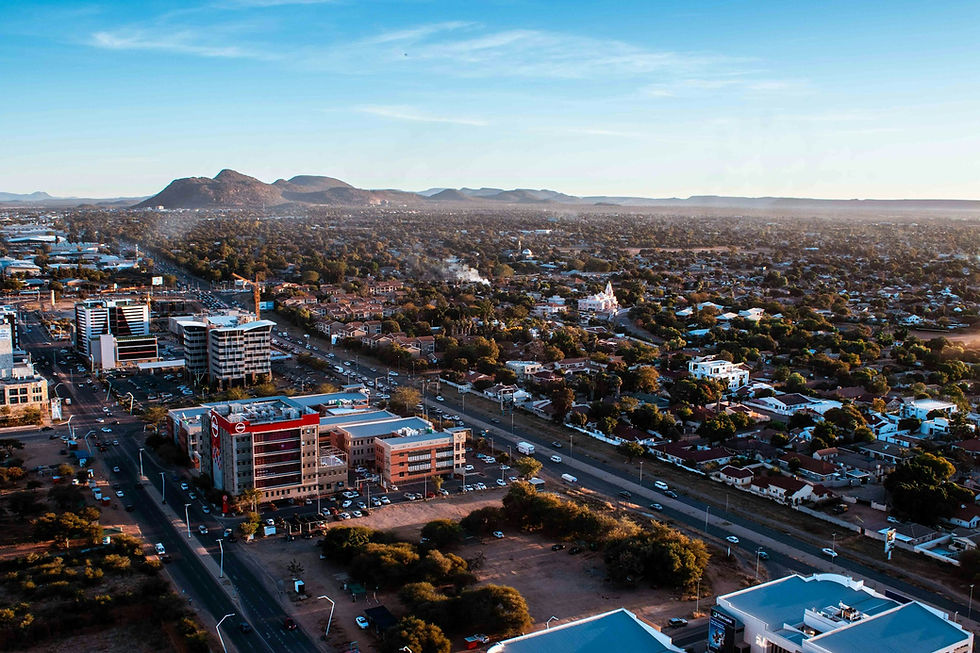
At ReportOUT, we are continuing to closely monitor recent developments in Botswana following the government’s notice on 27th April 2026 to amend the Penal Code, as it stated that same sex couples were prohibited from engaging in sexual acts such as anal or oral sexual intercourse.
Previously, a possible consequence was up to seven years in prison. It is a belated amendment following a 2019 ruling by the Botswana High Court, which declared such laws unconstitutional.
Who is impacted?
This shift directly affects LGBTQ+ individuals in Botswana. Advocacy groups such as Lesbians, Gays and Bisexuals of Botswana (LEGABIBO), Botswana's leading organisation advocating for LGBTIQ+ human rights, have long campaigned against this law. They have also highlighted the Code's negative effects on LGBTQ+ people's access to healthcare and safety in Botswana.
So what has changed and what questions remain?
While the legal provisions have now been removed, the broader implications remain uncertain. Questions remain about how this development will influence the lives of LGBTQ+ individuals in Botswana moving forward.
Where does this position Botswana?
This move may reinforce the country’s previous standing, positioning the country within a wider, more complex landscape of LGBTQ+ rights across Africa.
What perspectives are emerging?
Some view this development as a meaningful step toward equality and protection of LGBTQ+ rights. Others remain cautious, noting that legal reforms can outpace societal attitudes and may not immediately change lived realities. This story is rapidly changing and the media outlet, Pink News (based in the UK), is consistently updating the story.
According to Pink News (28 April), LGBTQ+ advocacy group LeGaBiBo welcomed the move, calling it a clear signal that queer people “are not criminals” and deserve protection. They added: “For many, these provisions were not just words on paper – they were lived realities. They affected access to healthcare, safety, employment, and the freedom to love and exist openly.”
We ask you to consider one question: Does legal reform alone have the power to reshape lived experiences, or is it only one part of a much broader transformation still to come?

