


.png)
.png)
Breakout Sessions at the #SaferToBeMe Conference
Please note times listed are UK time however if you are viewing from outside the UK they may appear in your local time. If so, please check the programme page to confirm the UK time.
২৩ অক্টো, ২০২৫
১০:১৫ AM
Breakout Session 1 (Global):
Dismantling Myths, Misconceptions and Misunderstandings of LGBTQI+ People
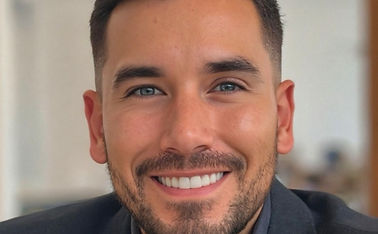
Diego Garcia Blum
২৩ অক্টো, ২০২৫
১০:১৫ AM
Breakout Session 1 (Global): Draining the Lifeline: HIV Services, Austerity & LGBTQI+ Health under Populist Rule in Latin America

Jessica Peck
২৩ অক্টো, ২০২৫
১০:১৫ AM
Breakout Session 1 (Global): Labels in an Era of Populism: Time to Reassess ‘Rainbow’ Acronyms & Initialisms?

Ross Othen-Reeves and Simon Williams
২৩ অক্টো, ২০২৫
১০:১৫ AM
Breakout Session 1 (Global): Queer in Our Own Tongues: Reclaiming Queer Narratives in South Asia

Pranav Arwari
২৩ অক্টো, ২০২৫
১০:১৫ AM
Breakout Session 1 (UK): A Manifesto to Break the Cyclical Abuse & Erasure of Trans+ People

Ben Pechey
২৩ অক্টো, ২০২৫
১০:১৫ AM
Breakout Session 1 (UK): Empowering Rural Voices: The Transformative Impact of Our School Pride Club

Rosie Bush
২৩ অক্টো, ২০২৫
১০:১৫ AM
Breakout Session 1 (UK): From Margins to Table: Resisting Power & Reclaiming Place in LGBTQI+ Health Equity Movements

Dr Harvey Kennedy-Pitt
২৩ অক্টো, ২০২৫
১২:১৫ PM
Breakout Session 2 (Global): Hijacked Narratives: The Populist Playbook to Strip LGBTQ+ Rights

Andrea Rivas
২৩ অক্টো, ২০২৫
১২:১৫ PM
Breakout Session 2 (Global): LGBTQ+ Inclusion in Humanitarian Action: Roles & Needs of International Organisations

Lizzie Wright
২৩ অক্টো, ২০২৫
১২:১৫ PM
Breakout Session 2 (Global): Queer Arab Languages: The Role of Power, Cultural Identities and Westernisation

Moka Zakareya
২৩ অক্টো, ২০২৫
১২:১৫ PM
Breakout Session 2 (Global): Shariah Law vs. Self-Identity: The Transgender Rights Debate in Pakistan and Muslim countries

Nayyab Ali
২৩ অক্টো, ২০২৫
১২:১৫ PM
Breakout Session 2 (UK): From Exclusion to Inclusion – The Journey Home - LGBTQ+ Service Personnel in the UK Armed Forces

Kevin Bazeley
২৩ অক্টো, ২০২৫
১২:১৫ PM
Breakout Session 2 (UK): How Do We Solve the UK LGBTQ+ Mental Health Crisis?
Daniel Browne
২৩ অক্টো, ২০২৫
১২:১৫ PM
Breakout Session 2 (UK): Trans Healthcare for UK Trans Youth - Pushing against The Cass Review

Dr Heather Wood
২৩ অক্টো, ২০২৫
৩:০০ PM
Breakout Session 3 (Global): LGBTQIA+ Survivors of Human Trafficking Have a Right to Reparations
Rhian Lewis
২৩ অক্টো, ২০২৫
৩:০০ PM
Breakout Session 3 (Global): Rural Kenyan LGBTQI+ Communities, Power and their Human Rights
Mary Nganga
২৩ অক্টো, ২০২৫
৩:০০ PM
Breakout Session 3 (UK): Holding Space in Hostile Times: Therapy as a Refuge
Lirona Rosenthal
২৩ অক্টো, ২০২৫
৩:০০ PM
Breakout Session 3 (UK): LGBTQ+ Student Movements in Higher Education: Grassroots, Governance, Government

Dr Adam Dawkins
২৩ অক্টো, ২০২৫
৩:০০ PM
Breakout Session 3 (UK): The Patient and the Provider: the Peer Support Experience in an NHS Gender Clinic

Charlie Owens, Helen Greener & Beverley Howe
২৩ অক্টো, ২০২৫
৩:০০ PM
Breakout Session 3: Countering Anti-LGBTQI+ Disinformation in Elections: Protecting Rights and Democracy

Rodrigo Cruz and Egerton Neto
২৪ অক্টো, ২০২৫
১০:৩০ AM
Breakout Session 4 (Global): Don’t Let the Bigots Get You Down: LGBTQ+ Rights Under the European Parliament

Ross Othen-Reeves
২৪ অক্টো, ২০২৫
১০:৩০ AM
Breakout Session 4 (Global): Facing a Great Wall? Exploring LGBTQ+ Rights in China

Drew Dalton
২৪ অক্টো, ২০২৫
১০:৩০ AM
Breakout Session 4 (Global): From Silence to Resistance: Intersex Voices rising in Ghana
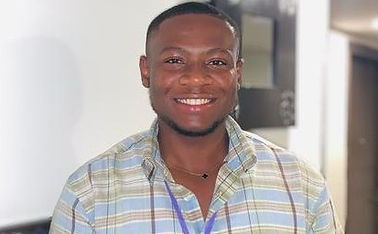
Afram Clarkson
২৪ অক্টো, ২০২৫
১০:৩০ AM
Breakout Session 4 (Global): Rainbow Laws, Shadowed Lives: The Contradictions of LGBT+ Rights in Mexico

Daniel Santos and Josh Hurn
২৪ অক্টো, ২০২৫
১০:৩০ AM
Breakout Session 4 (UK): Coercive Control in LGBTQIA+ Relationships: Who It Affects and How We Respond

Anna Wehren
২৪ অক্টো, ২০২৫
১০:৩০ AM
Breakout Session 4 (UK): LGBTQ+ Census Data, Informing Public Health Policy, Framing Arguments To Build Coalitions

Tom Montrose-Moss
২৪ অক্টো, ২০২৫
১০:৩০ AM
Breakout Session 4: Fake News to Viral Facts: Countering Anti-LGBTQ+ Misinformation Through Vertical Video
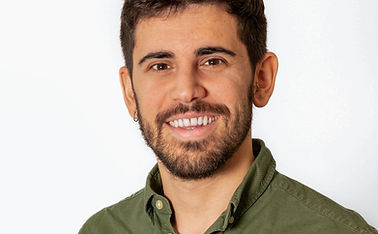
Enrique Anarte
২৪ অক্টো, ২০২৫
১১:৩০ AM
Breakout Session 5 (Global): A Nation Against Its Own: The Systematic Suppression of LGBTQI+ Rights in Malawi

Kondwani Chapola
২৪ অক্টো, ২০২৫
১১:৩০ AM
Breakout Session 5 (Global): Erased and Endangered: The Deadly Intersection of Race, Gender, and Identity in Brazil

Rodrigo Tadeu Guimaraes Jales
২৪ অক্টো, ২০২৫
১১:৩০ AM
Breakout Session 5 (Global): Fighting for Queer Spaces in Trump's America

Erwin de Leon, PhD
২৪ অক্টো, ২০২৫
১১:৩০ AM
Breakout Session 5 (Global): Queering Peacebuilding: Strategies & Lessons from Colombia & Argentina During Right-wing Populism

Gustavo Hernández-Calderón, Belén Correa, Matilda González
২৪ অক্টো, ২০২৫
১১:৩০ AM
Breakout Session 5 (UK): Explore Your Authentic Voice: A workshop on vocal freedom

Nazlin Kurji-Smith and Sarah Hay
২৪ অক্টো, ২০২৫
১১:৩০ AM
Breakout Session 5 (UK): LGBTQIA+ Intersectionality in the UK: What Steps Can We Take to Ensure Inclusivity of LGBTQIA+ People?

Becca Maxwell-Warrior and Imran Ali
২৪ অক্টো, ২০২৫
১১:৩০ AM
Breakout Session 5: Beyond the Backlash: Addressing the Global Anti-Gender Agenda

Graham Robertson
২৪ অক্টো, ২০২৫
২:১৫ PM
Breakout Session 6 (Global): Out in Nigeria: Political Participation and LGBTQIA Rights in Nigeria
CHEVS (Nigeria) and ReportOUT team
২৪ অক্টো, ২০২৫
২:১৫ PM
Breakout Session 6 (Global): Faith, Fear, and Freedom: Religious Leadership and LGBTQI+ Inclusion in a Changing World

Jide Macaulay
২৪ অক্টো, ২০২৫
২:১৫ PM
Breakout Session 6 (UK): Beyond Echo Chambers: Diversifying Reading Reduces Polarisation & Strengthens Empathy

Rachel Coventry
২৪ অক্টো, ২০২৫
২:১৫ PM
Breakout Session 6 (UK): LGBTQ+ Leadership Development Programmes

Alex Baird and Ellis and Lou Beardsmore
২৪ অক্টো, ২০২৫
২:১৫ PM
Breakout Session 6 (UK): The Asylum Monologue - Asylum Human Rights for the LGBTI Communities

Ana González
২৪ অক্টো, ২০২৫
২:১৫ PM
Breakout Session 6 (UK): The Changing Face of LGBTQ+ Safety in Public Spaces

Luciana Cousin and Nicholas Cousin
২৪ অক্টো, ২০২৫
২:১৫ PM
Breakout Session 6: Lessons from Victories: How Our Communities Fight Back and Win
